Resources for Taking Action: Misinformation About Reproductive Health
Combat the Spread of Misinformation with the Spread of Accurate Information

On Tuesday, February 10, 2026, I wrote a short piece about why organizations that were founded to expand access to contraception and abortion have shifted away from “pro-choice” language and moved instead toward the language of “reproductive freedom” and “reproductive justice.” I also addressed why this language shift is necessary in this moment, even as we clearly see a massive rollback in abortion access across the United States.
In the spirit of advancing reproductive freedom, this week’s resource for taking action addresses how you can contribute to combatting online misinformation about reproductive health.
What is the Problem?
In 2026, misinformation about health and wellness seems practically inescapable, particularly in online spaces. We have also seen an uptick in the circulation of inaccurate claims about reproductive health, specifically. The circulation of misinformation about reproductive health can be incredibly harmful. It can sow confusion, erode trust in verifiable medical advice, and impact overall health outcomes. Confusion around what qualifies as sound information about reproductive health can also facilitate the creation and passage of problematic legislation that restrains healthcare workers’ ability to offer relevant healthcare guidance and/or act in the best interests of their patients.
What Can You Do About It as an Individual?
Johns Hopkins Center for Health Security recommends that we can collectively combat the spread of misinformation with the spread of accurate information. While we know that what we do as individuals is most impactful when it is paired with larger policy-based and structural changes (e.g., factchecking and content moderation infrastructure on social media), the collective action of individuals is equally important. The small things that you do as an individual offer an alternative and/or challenge, rather than letting misinformation go unaddressed. While it may sometimes seem like a drop in the ocean, what you do as one person is increasingly impactful when you inspire another person, and when we all join together to act collectively.
How Can You Take Action?
Ask yourself, “What kinds of misinformation am I encountering online?” Combat this specific misinformation about reproductive health by spreading accurate information. Check out the resources for combating misinformation offered by the American College of Obstetricians and Gynecologists (ACOG).
Step 1: Familiarize yourself with ACOG’s list of evidence-based talking points about abortion access and facts about birth control. These resources include suggestions for how to address challenges and have meaningful conversations.
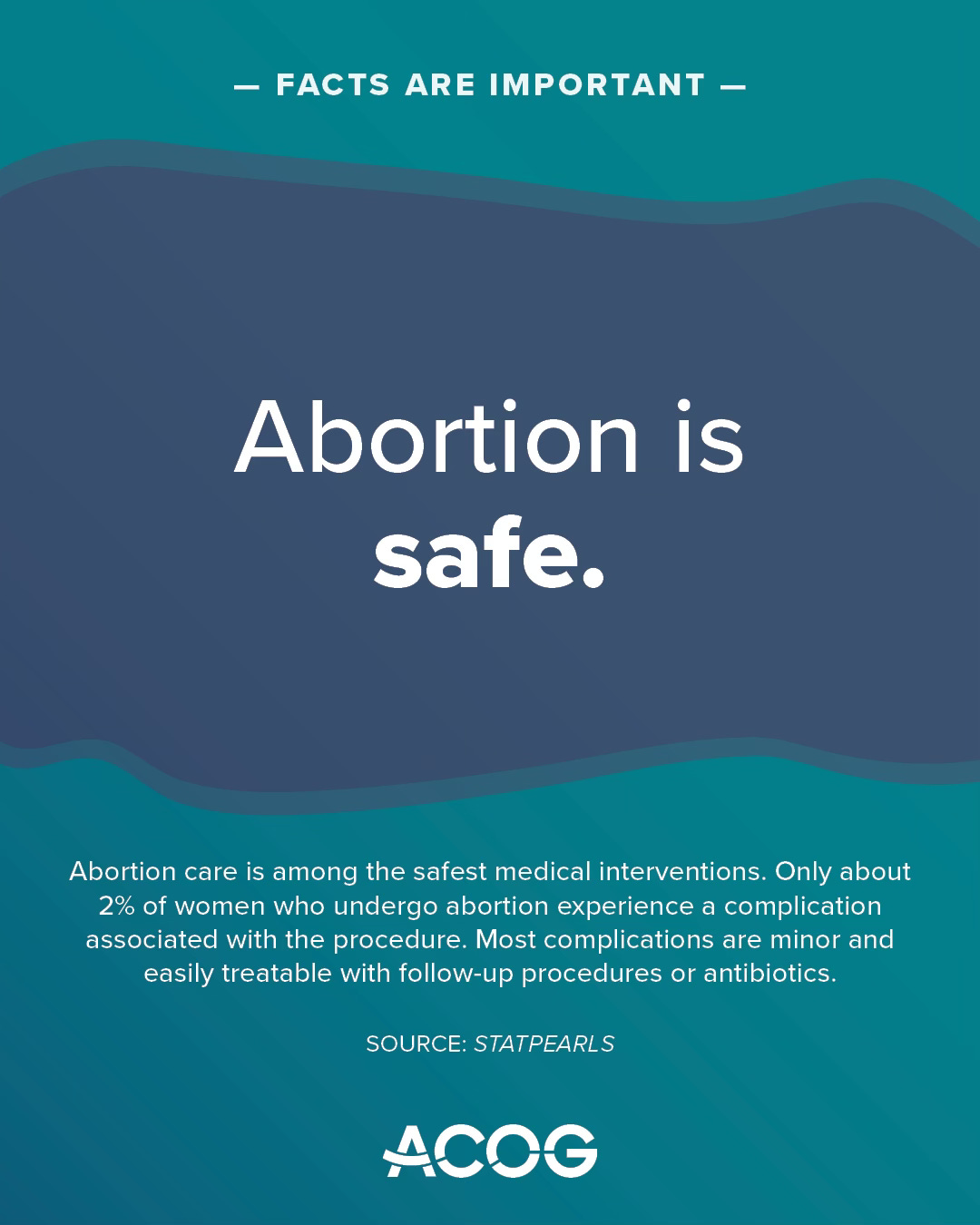
Step 2: Use the media toolkit resources created by ACOG to help spread one piece of accurate information about abortion care and/or contraception. Choose the statement or graphic that directly addresses the misinformation that you have encountered.
Step 3: Respond to any potential challenges using the resources in Step 1.
In the spirit of reproductive freedom, also consider offering research-driven information about how restrictions on abortion access and contraception are connected to broader social issues, including those that might more directly impact your friends and family, such as disability rights, access to affordable child care, and negative economic impacts on families.